


Disco Will Survive: A Closer Look at an Important Musical Movement
“Oh no, not I, I will survive
Oh, as long as I know how to love, I know I’ll stay alive
I’ve got all my life to live, and I’ve got all my love to give
And I’ll survive, I will survive”
Who could forget these iconic lines from Gloria Gaynor’s 1978 disco anthem “I Will Survive.” In her platinum, chart-topping track, Gloria sings about rising from the ashes of heartbreak to find new strength and confidence. At first she was afraid, she was petrified. But she grew from this heartbreak, and when her ex-lover came crawling back, she was ready to tell them: “Go on now, go, walk out the door!” Between this narrative, Gloria’s empowering vocals, the opening piano riff, and an epic string solo, it’s no wonder this song has stood the test of time. It’s. The. Perfect. Disco. Song.
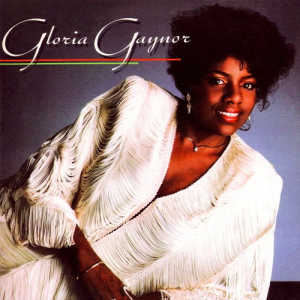
Album cover art from gloriagaynor.com
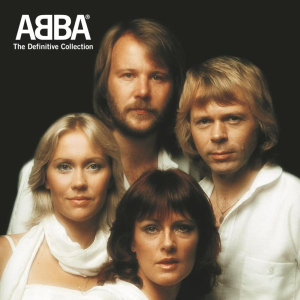
I wasn’t around when “I Will Survive” was released because I was an 80s baby. By the time I was listening to the radio on my own, disco was on the oldies stations. But this song, and many more of the greats, still found their way to me. Donna Summer’s “I Feel Love,” with synth backing that helped pave the way for electronic dance music. “I’m so excited” by the Pointer Sisters, which is quite possibly the ultimate hype song. How many CPR courses have I taken in my lifetime where the instructor explains that “Staying Alive” by the Bee Gees is the perfect tempo for (wouldn’t you know it) life-saving chest compressions during CPR? At least three, but who’s counting. Oh yeah, and then there’s THE ENTIRE DISCOGRAPHY OF ABBA. Name one bad ABBA song. I’ll wait.
In the 70s, though, Disco was more than a genre of music, it was an entire subculture. This was a time when gay men, fearing harassment from police, would sometimes carry bail money with them when going to gay bars or dance clubs, in case they ended up in jail. But in 1970, in the underground dance parties where disco was born, these same people, and other marginalized groups, could dance together without fear of police action. The architect of some of these underground parties, Alex Rosner, had this to say: “It was probably about sixty percent black and seventy percent gay…There was a mix of sexual orientation, there was a mix of races, mix of economic groups. A real mix, where the common denominator was music.”[1] This is the true spirit of disco, which more and more people connected with as it became mainstream. Discothèques became a haven for people of all walks of life to come together, let loose, and dance without fear.
By the end of the 70s, though, Disco would face a sharp decline in popularity. This is in part due to Disco Demolition Night and other anti-disco actions by people fed up with the music genre’s grip on music charts and radio airwaves. In 1979, the year after Gloria released “I Will Survive,” Major League Baseball held a promotion called Disco Demolition Night at a double-header game in Chicago. Attendees were given a discount on ticket prices in exchange for bringing in a disco record. The records were then collected and, in between baseball games, literally blown up inside the stadium by an anti-disco shock-jock from a local radio station. Thousands of rock fans rushed onto the field. They set records on fire, destroyed the batting cage, and ripped up the field. The second baseball game was canceled. Riot police were called. Some people really hated this music.
Half a year after this event, disco was all but gone from the US Top 10 charts.
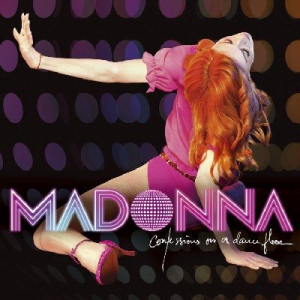 While disco isn’t as popular as it once was, it’s in no way dead. Despite the anti-disco movement, disco’s influence has been seen in every decade since. Disco was an instrumental factor in the creation of electronic dance and house music of the 1980s. The 1990s brought us movies like Boogie Nights and The Last Days of Disco. In the 2000’s, Nu-Disco rose to popularity, the highlight, in my humble opinion, being Madonna’s Confessions On a Dance Floor. She samples ABBA on the album, the tour featured disco balls and roller skates, it was a whole disco moment, really. In the 2010s, Daft Punk won an album-of-the-year award for their disco album Random Access Memories.
And here in the 2020s, well, it’s everywhere. Dua Lipa’s album Future Nostalgia has led the charge for a new wave of disco resurgence. Kylie Minogue released a critically acclaimed album called Disco (I’ll let you guess what kind of music it features). Beyoncé, Lizzo, The Weeknd, Carly Rae Jepsen… So many current artists are making disco, nu-disco, and disco-influenced music! Oh, and maybe you saw the Barbie movie? Maybe you remember a certain elaborately-choreographed dance scene set in a discothèque? I remember it. Every day of my life. It fuels me.
So, much like the Gloria Gaynor song, disco will survive. It HAS survived. And it continues to invite people of all walks of life to come together, let loose, and dance without fear.
“Did you think I’d crumble?
Did you think I’d lay down and die?
Oh no, not I, I will survive”
[1] Brewster, Bill; Broughton, Frank (2000) [1999]. Last Night a DJ Saved My Life: The History of the Disc Jockey (2nd ed.). New York: Headline Book Publishing


Add a Comment
Now we'd like to hear your thoughts! Comments and suggestions are welcome!