


Curiosity and Getting Older
If one has a question about dinosaurs, 17th century French fashion, or alien sightings, there is nothing stopping them from doing a simple internet search and having the answer to their question within seconds. While this is a wonderful privilege to have, as we’ve all been reminded by the older folks in our lives, it has come with a glaring drawback (other than stealing some of the library’s thunder): when was the last time that you genuinely decided to research something out of curiosity, unprompted and without any obligation?
Was it for a school or work project where you were likely prompted by another person to do the research instead of following your personal curiosity? Was it a question that was answered in under a minute by the top search result or by browsing the most convenient Wikipedia page without any further “re-searching”? There isn’t any shame in admitting that you fall into this category (I absolutely fell into this category myself!), but realizing this made me begin to question why adults don’t seem to have that same curiosity that children all seem to thrive on.
While the answer to that is most likely found within aging and changes in priorities, I have recently found myself grappling with how disappointing that is. As a newly established and self-proclaimed “adult”, I decided to challenge this idea by diving headfirst into a topic that is rarely ever discussed by adults outside of the context of Jurassic Park: dinosaurs.
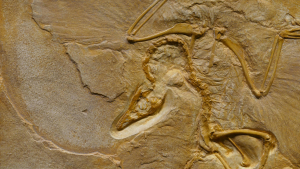 I used to love dinosaurs; I would tirelessly ask my parents about the pronunciations of their names, check out library books every week detailing what scientists currently believed about them, and binge-watch documentaries that gave me more and more information about those loveable (terrifying?) giant lizards. I had a certain passion about dinosaurs that I rarely ever find myself experiencing about anything today as an adult, so I decided to do some light-hearted research. What had dinosaurs been up to since I last researched them?
In my short time casually browsing dinosaur related news, there was one particular discovery that caught my attention, despite the fact that it was actually from a few years ago. The tail of a small dinosaur was found inside a chunk of fossilized amber. Naturally, my imagination went wild and I immediately began to question if Jurassic Park was a real possibility, but as I actually began to read more about the discovery, I was met with a much more realistic (albeit, slightly disappointing) reality. It turns out that DNA doesn’t live long enough to be extracted from prehistoric life forms trapped in amber, like Jurassic Park ignorantly made me believe. After reading about the tail trapped in amber and imagining a real dinosaur theme park for longer than I would care to admit, I soon found myself going down the rabbit hole of recent dinosaur findings.

Image by @vidiots_official via Giphy
Regardless of what I found among everything I read, it was a little over an hour before I realized that I was completely engrossed reading about dinosaurs, just like I was when I was a kid. While I do fully understand why adults may not take the time or have the time to do this kind of “unimportant” research, I genuinely found myself feeling just as enthralled as I did when I was a child and spending my time reading articles was as engaging as any other way of entertaining myself. (Plus, it’s hard to argue it was a worse use of my time than watching videos on TikTok.)
Even if researching isn’t something you find yourself doing often or something that you consider yourself to be good at, I highly encourage you to consider thinking about an old interest of yours and taking the time to look it up (especially at the library!). You just might be surprised by what’s all been discovered about dinosaurs, 17th century French fashion, or alien sightings while you haven’t been thinking about them. More importantly, you may even find yourself remembering how exciting learning new “unimportant” information was as a kid (or most importantly, sharing that information with others).



Add a Comment
Now we'd like to hear your thoughts! Comments and suggestions are welcome!