


Coping with Election Stress
We’re still five weeks out from the November 5 election and the stress levels are high. If you find yourself reading every news notification, buried in political mailers, scanning headlines in your email inbox, and doomscrolling for hours on end, you’re not alone.
Even back in April, the American Psychiatric Association found that 73% of adults polled feel anxious about the election.[1] Since then, we’ve weathered several major upheavals in addition to the expected ramping up of campaign activities.
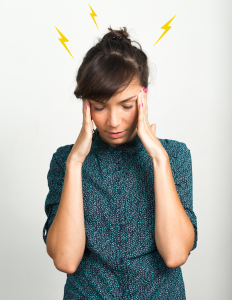
Stress can cause a wide variety of health issues, including: headaches, fatigue, chest or muscle pain, sleep problems, memory issues, and anger or depression. It can also cause or exacerbate harmful behaviors like over- or under-eating, drug or alcohol misuse, tobacco use, and self-isolation.[2]
Reducing Politically-Induced Stress
If you’re having trouble with election anxiety, consider trying some of these techniques to reduce stress:
 Read, don’t watch. Watching the news can be an intense experience, with images and videos chosen to be dramatic and attention-getting. When the news covers emotionally charged events, that audio-visual input can trigger your fight or flight response, resulting in a release of adrenaline and cortisol, the stress hormone. You might experience a rapid heart rate, shallow breathing, or upset stomach. If you find yourself getting caught up in televised news or videos online, try reading the news instead. You may still encounter upsetting images, but the lack of video and sound could help you regulate your emotional response.[3]
- Limit your time with the news. It’s 2024 and most of us have unlimited access to a 24-hour news cycle through our phones, televisions, and computers. When you leave your house, you encounter yard signs and billboards promoting political candidates. It’s genuinely difficult to get away from the news, and very easy to spend all day checking news notifications and headlines. Here are some ways to control your exposure:
- Set aside time. Pick a time or two during the day when you want to catch up on the news. Do your best to wait until those times.
- Turn off app notifications. If you have news apps on your phone, turn off the notifications. When you receive an alert every time there’s a new headline, you are being constantly bombarded with information, unfiltered by importance or relevance.
- Set alarms when using social media. Doomscrolling – we’ve all done it. You sit down to watch a single video or article and you end up spending an hour or more scrolling through negative content. If you’re losing time to doomscrolling, try setting an alarm before you open social media or news sources.
- Be intentional about your sources. Whether you’re researching which car to buy, seeking relationship advice, or looking for news, it’s good practice to consult multiple sources. However, consulting too many resources gets overwhelming. Choose a few sources – for example: one news app, one regular podcast and one nightly news broadcast – and stick to those sources for your daily news. (But go ahead and seek out other sources on specific topics as needed.)
- Take action. If you’re feeling powerless or like everything is out of your control, find something that you can do. Register to vote. Make a plan for casting your vote, whether it’s voting on election day, voting early in person, or requesting an absentee ballot. You can also consider volunteering for an organization you care about.
Managing Symptoms of Stress
Reducing election-related stress can help alleviate symptoms, but probably won’t eliminate them altogether. And the odds are that politics aren’t the only thing causing you stress. Luckily, just as the effects of stress are well-researched, so too are techniques for managing stress. Here are some stress management techniques from Mayo Clinic[2]:
- Physical activity – even something as simple as a 10-minute walk
- Relaxation techniques, such as breathing exercises and meditation
- Quality time with family and friends
- Hobbies – if you don’t have any go-to hobbies, take the opportunity to learn one
- Keep a journal
- Get enough sleep
- Eat a healthy, balanced diet
[1] American Psychiatric Association. “American Adults Express Increasing Anxiousness in Annual Poll; Stress and Sleep are Key Factors Impacting Mental Health”. May 1, 2024.
[2] Mayo Clinic Staff. “Stress Symptoms: Effects on Your Body and Behavior”. August 10, 2023.
[3] Mental Health America. “Negative News Coverage and Mental Health”. 2024.



Add a Comment
Now we'd like to hear your thoughts! Comments and suggestions are welcome!