


Ecology at Home
I recently visited the Minnesota State Fair and enjoyed their Eco Experience building. It featured the kind of environmentalism that I like: practical, “small” enough to accomplish at home, and the kind that makes you richer – both in terms of your wallet and in the quality of your life (and the lives around you). When “the environment” is spoken about in macro, global terms, it can be disheartening rather than rallying, leaving you with the feeling that little is within your power other than to feel vaguely guilty (or sad…or resentful at being made to feel this way for things you can hardly impact).
I’m not here to guilt you for driving a gas car or preferring incandescent lighting to LED, but to offer some very digestible choices you can make that are great for your budget, easier to maintain, and will surround you with happy birds and bees while easing the load on our local electrical and water grid.

Native Gardens
Landscaping with native plants (those that evolved here, rather than those imported through global settlement and trade) can help our wildlife thrive, filter out and reduce chemicals in rainwater runoff, and stabilize and enrich the soil. You’ll also avoid the risk of imported plants that can become invasive and disrupt or push out other plants (and the creatures that depend on them) from our wild areas.
Hardy – Native plants are…well, from here, so they don’t get fussy when our climate does its thing. Deep freeze? They can handle it. Dry spell? These root systems aint panicking.
Weed-resistant – If you situate native plants next to their natural buddies (complimentary heights and root systems) you won’t need to use as many chemicals or ground covers as their roots work together to lock out more weeds. (For a crash course on natives and example planned gardens, consult Wisconsin’s own Prairie Nursery.)
Low maintenance – These natural strengths all add up to less time spent weeding, watering, treating, mulching, and replacing plants in your garden.
Friendly to pollinators (and other neighborhood wildlife) – Native plants are also natural homes and food sources for local wildlife like pollinators and birds, with whom they co-evolved. Instead of fighting endless battles with squirrels over feeders, you can let these plants attract butterflies, bumbles, hummingbirds, and more with their nectar, seeds, and berries.
Household Appliances
No need to throw out your current appliance if it serves you well, but the next time you need to replace the following household items, consider these money-and-energy-saving options.
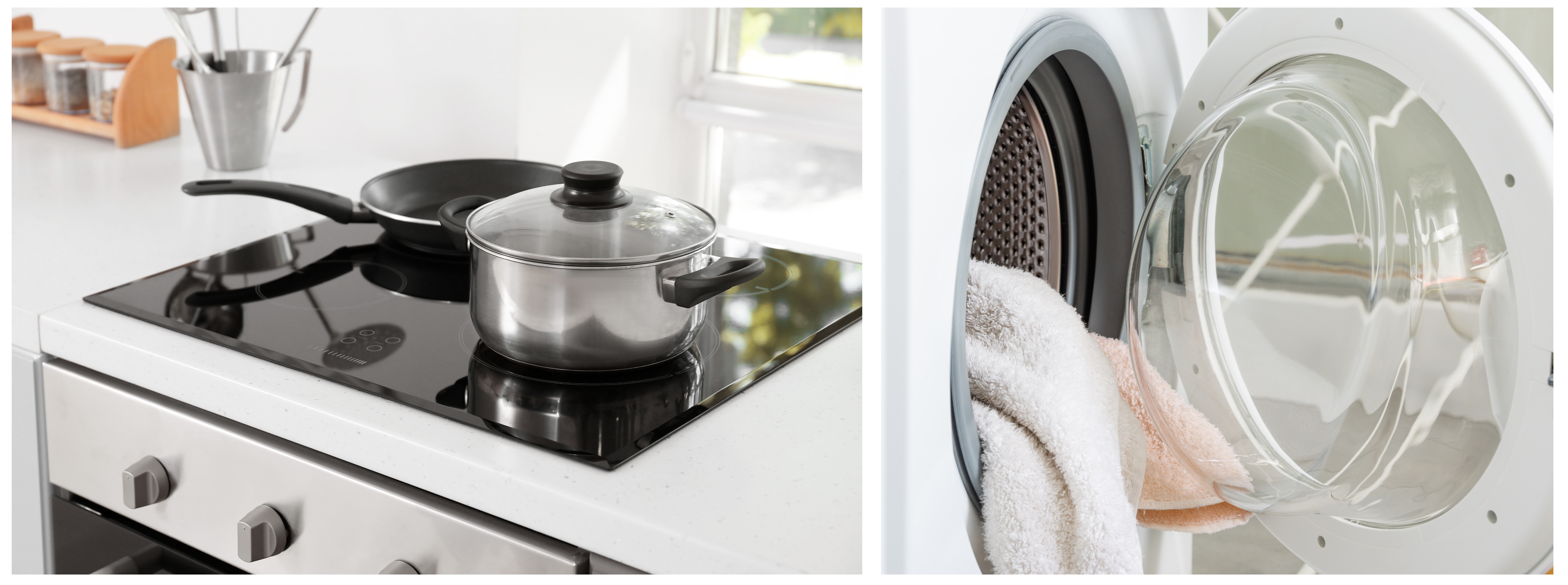
Stove/oven/range – Getting an electric range (or better yet, an induction one) heats food 3x more efficiently than gas and can also heat more quickly and evenly.
Refrigerator – Look for Energy Star rated models that will use less power, saving you money.
Clothes Dryer –Heat pump dryers use less heat (and therefore less energy) than standard dryers with their gas burners or electric coils, which is gentler on your clothes. Their ventless nature also gives some flexibility for your space use. If you can live with slightly longer drying times, you’ll be rewarded with energy savings of up to 60%.
Lighting – Yes, I remember the promise I made above. But I’m not going for guilt here, but reassurance. If you tried LEDs years ago and were turned off (hehe) by their light quality or cost, I can attest that options and affordability have improved. Switching from incandescent to LED could save you over $5.00 per year, per bulb. Multiply that for all the bulbs in your home and over the years of their longer lifespans, and add in what you save by not replacing so often, and that’s “a little bit” that goes a long way.
Home Improvements
These structural changes to your house can make your home more efficient and protected from the elements. And if that isn’t enough incentive, some of these improvements (and appliance upgrades above) are eligible for rebates and tax credits.
Weatherization and ventilation – Insulating and sealing your home and taking steps to improve the efficiency of its heating and cooling can keep you comfortable and your bills down. Improving ventilation and preventing leaks and waste can also spare your home from damage (ex. from moisture, mold, fire and gas). The Department of Energy’s Weatherization Assistance Program may be able to help.
Water Heater – Consider an Energy Star-rated heat pump or on-demand water heater(s).
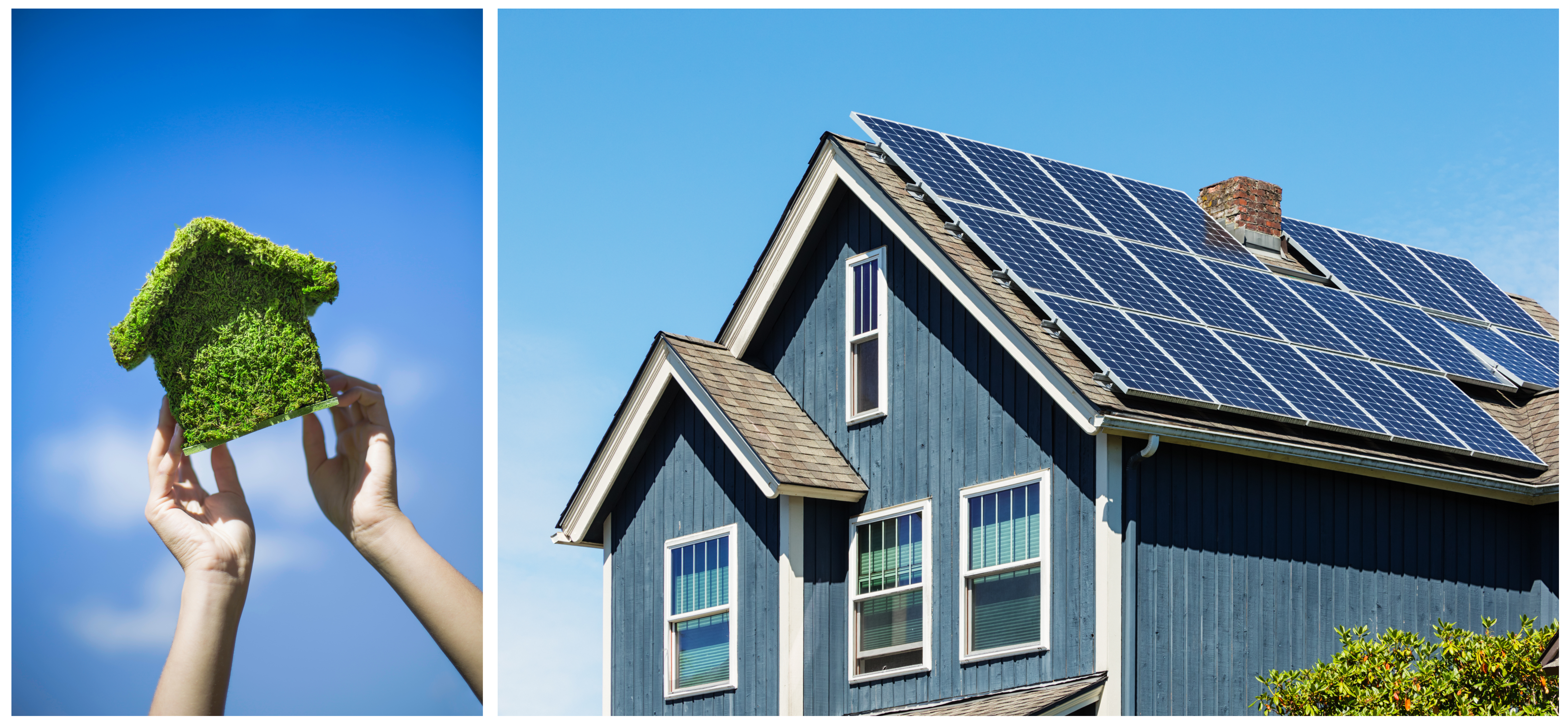
Solar – If your house receives direct sunlight, you can transform your roof into your own little power plant using solar panels, or solar shingles. If you can absorb the initial cost of installation, solar power could save you big on future energy bills. There are federal and state grants (as well as possible incentives from your utility company) that may help with the installation cost.
For more info and ideas, visit the Home Upgrades hub from the Department of Energy and check out the library recommendations below.



Add a Comment
Now we'd like to hear your thoughts! Comments and suggestions are welcome!