

Gratitude
The season of giving begins with ‘thanks.’
In recent years, I’ve struggled with constant and increasing pain from chronic health problems, turmoil and loss in my family; the worry, labor, and costs of a house in which everything seems to break and a neighborhood where vandalism is common; and the anxiety from a job working with the public, where I share the stresses and challenges of our community’s most vulnerable individuals.
That’s one version of my life.
I also have employment that not only grants me a dependable income, but also encourages me to use my brains and empathy for good and has introduced me to some of the best humans; a comfortable home full of things that can be fixed that has become my favorite art project; generous parents who would do and give anything to help me towards a good life; an encouraging boyfriend who can always tell when I’m sad (even when I hide it); a brilliant, hilarious little dog whose shenanigans make me laugh (even when they exhaust me); and the time-tested support of a dear friend who is the sister of my heart.
That’s another.
Both are true.
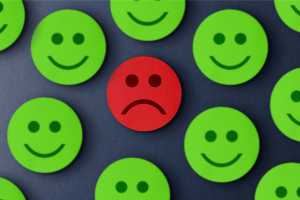 What shows me the second, and saves me from getting lost in the first, is gratitude. It’s very easy to get lost in negativity; our brains are actually wired for it. Let’s say you have 10 interactions in a day, 1 negative – do you remember the 9, or the 1? …Yep. That’s called negativity bias, and it’s pretty deeply rooted in our neurology.
“You don’t know what you got ‘til it’s gone” because we feel losses more intensely than gains. Negative emotions and experiences tend to be more complicated and demand more attention and resources to deal with than positive ones. Because of this, paying attention to bad things helps us survive, but also makes it easy to miss when life is actually mostly good. Like any bias, this warping effect can be mediated by adopting a broader perspective, and this is where gratitude comes to the rescue.
Saying ‘thank you’ isn’t just a kindness to the person you’re acknowledging; it’s practice in really noticing the good things you have, and that habit actually rewires your brain to be happier, healthier, and more resilient. Gratitude is based in realism (seeing the overlooked good), not ‘toxic positivity’ (denying problems). Unlike toxic positivity’s avoidant or dismissive notion of “it could be worse,” feeling true gratitude for things you have (rather than comparing your situation to others) actually decreases toxic emotions like envy, narcissism, and the desire for revenge, while encouraging empathy, confidence, and resilience to trauma.
Simply put: gratitude keeps you sane in a stressful world.
So, if you are very, very lucky and have a gathering of family and friends for the holiday (or, if you’re super fortunate, several gatherings) be thankful for mom’s incomparable corn dish, but also be thankful for too many cooks in the kitchen, and your brother-in-law’s awful jokes, and your aunt’s insistent opinions, because they provide you constancy and a support network for times of need.
And, for your own sake, don’t only be thankful on Thanksgiving.
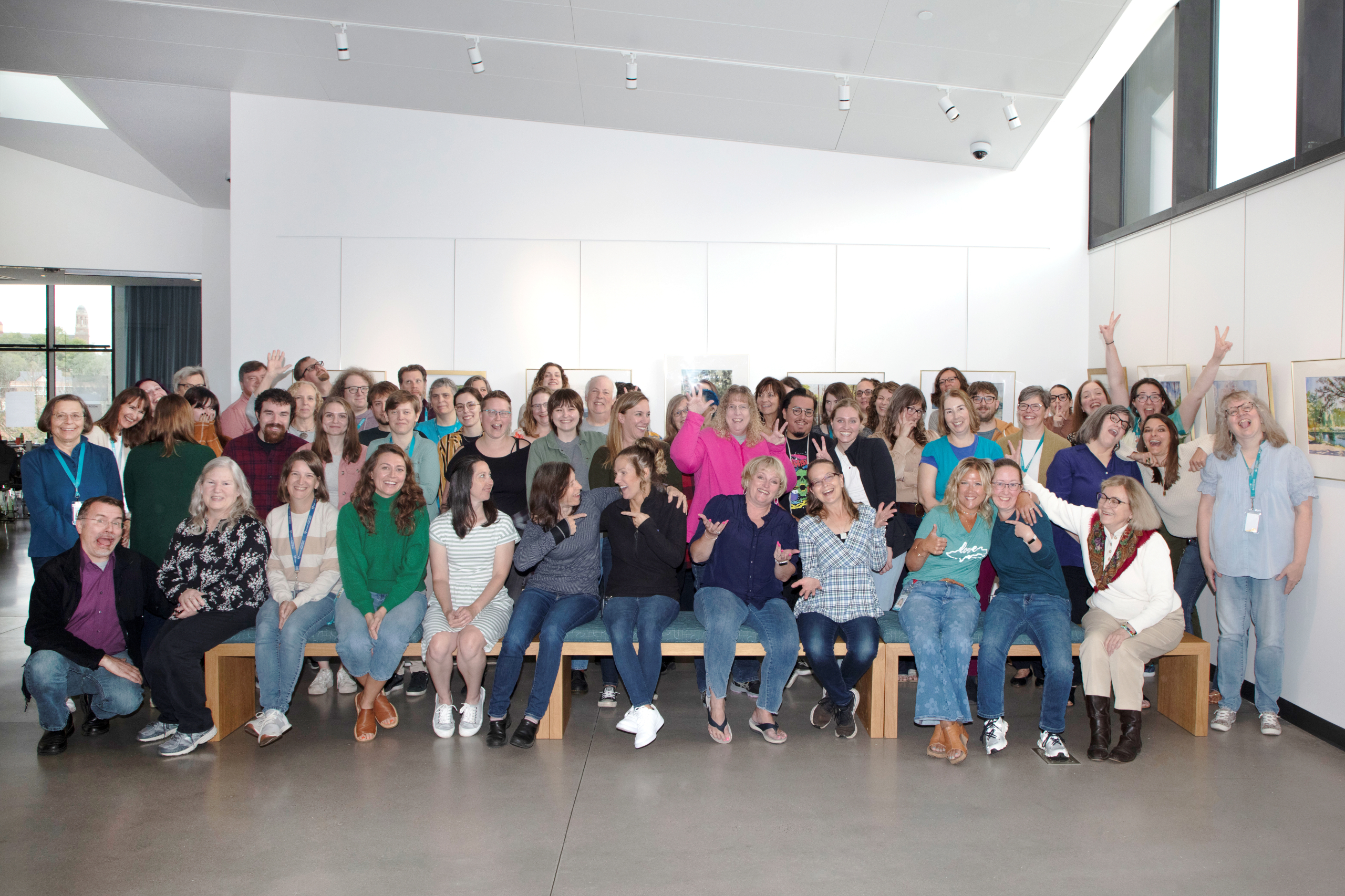
Some of the best humans



A touching and brave testimonial. Thank you Jan.
Jon